Navigating the bail bond process can be daunting. Understanding how to bond someone out of jail is crucial. If you’ve been asking, “how can i bond someone out of jail?” this guide will simplify the steps involved.
Bail allows a defendant to await trial outside of jail. It involves a financial arrangement with the court. In short, does bail get you out of jail? Yes—when bail is paid or secured, it enables temporary release under specific conditions. What does it mean to post bail? It means providing cash, a bond, or collateral as a guarantee that the defendant will appear in court.
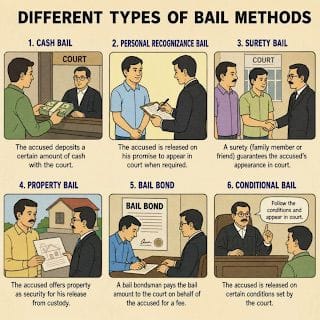
Posting bail can be done in several ways. You can pay cash, use a bail bond agent, or offer property as collateral.
Each method has its own requirements and implications. Knowing these can help you make informed decisions. We’ll also cover what do you need to bail someone out of jail so you can prepare.
This article will walk you through the process, ensuring you understand your options and responsibilities. From the first call to after someone is bailed out of jail, you’ll know what to expect.
What Is Bail and How Does It Work?
Bail is a legal mechanism designed to ensure a defendant’s presence in court. It serves as a financial guarantee. This system allows defendants to continue their lives while awaiting trial.
When arrested, a defendant appears before a judge. The judge decides whether to grant bail. Factors such as the severity of the crime and flight risk influence this decision.
Here’s how bail typically works:
- Setting Bail: The judge determines the bail amount.
- Payment: Bail is paid in full or via a bail bond agent.
- Release: The defendant is released once bail is posted.
- Court Appearance: The defendant must appear for all scheduled court dates.
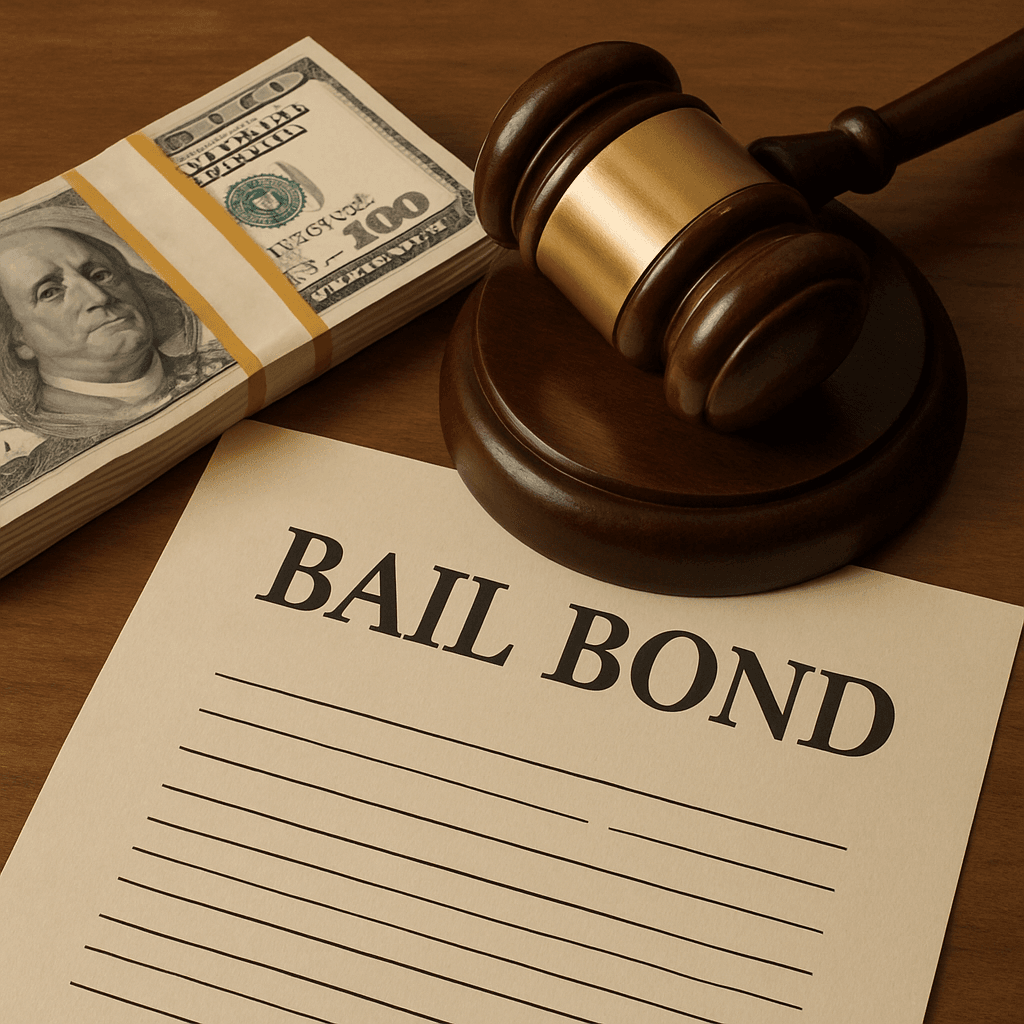
If conditions are met, bail is returned. Otherwise, it’s forfeited. Bail conditions vary but may include restrictions on travel or regular check-ins. This ensures compliance with legal requirements.
Bail vs. Bond: Key Differences Explained
Understanding the distinction between bail and bond can be crucial. While both terms are used interchangeably, they have different meanings in the legal system. They serve related but distinct purposes in securing a defendant’s release.
Bail is the total amount set by the court. It represents the financial requirement imposed to release a defendant from custody. This amount can be paid directly to the court.
In contrast, a bond involves a third party, usually a bail bond agent. Here’s a simple breakdown:
- Bail: Total amount paid directly.
- Bond: Involves a bail bond agent.
- Cash: Paid in full by defendant or family.
A bond becomes essential when the bail amount is too high for direct payment. The agent provides a guarantee to the court. Understanding these differences helps in choosing the appropriate option.
Types of Bail: Cash, Property, and Bail Bonds
Different types of bail provide flexibility in how defendants can secure their release. Each option has unique advantages and considerations. Understanding these can help in deciding the best course for your situation.
The most straightforward method is paying in cash. Here, you pay the full bail amount directly to the court. This option is often preferred if the amount is manageable without financial strain.
Property bonds are another alternative. They involve pledging property as collateral equivalent to the bail amount. This method can take longer to process due to property valuations and paperwork.
The most popular choice is usually a bail bond. This involves a bail bond agent who charges a non-refundable fee, generally 10-15% of the bail. The agent assures the court that the defendant will appear.
Here’s a quick recap of types:
- Cash: Full payment upfront to court.
- Property: Pledge real estate as collateral.
- Bail Bonds: Involves a bail bondsman for a fee.
These types cater to different needs and situations, ensuring flexibility in the process.
Step-by-Step: How to Bond Someone Out of Jail
Navigating the bail process can be complex, but following these steps will simplify it. Each step is crucial in ensuring a smooth transition from jail to freedom. These steps also explain how to bail someone out of jail efficiently.
First, gather all necessary information about the inmate. This includes their full name, booking number, and location of the jail. Accurate details expedite the process.
Next, contact the jail to inquire about the set bail amount. Knowing this early helps in choosing the best bail option available to you.
Assess whether paying in cash, using property, or employing a bail bond agent is suitable. Evaluate financial capabilities to make an informed decision.
If opting for a bail bond, reach out to a reputable bail bond agent. They will guide you through the necessary paperwork and explain the terms and conditions.
Provide all required documentation and make any necessary payments. Documentation is essential, so double-check everything before submission.
Once bail is posted, ensure that all conditions set by the court or bond agreement are met. These might include travel restrictions or regular check-ins.
Here’s a concise guide to bond someone out:
- Gather information.
- Contact the jail.
- Determine the bail amount.
- Decide on cash, property, or bond.
- Contact a bail bondsman, if needed.
- Provide documents and payments.
- Follow all bail conditions.
If you’re asking how can you bail someone out of jail in another county, confirm the jail location and any county-specific procedures before you begin. Note on how to bail someone out of prison: after sentencing, bail typically isn’t available; bail is generally a pretrial mechanism.
Release times vary, so patience is key. Efficient communication with officials and the bail agent will help speed things up.

Step-by-Step: How to Bond Someone Out of Jail
Navigating the bail process can be complex, but following these steps will simplify it. Each step is crucial in ensuring a smooth transition from jail to freedom. These steps also explain how to bail someone out of jail efficiently.
First, gather all necessary information about the inmate. This includes their full name, booking number, and location of the jail. Accurate details expedite the process.
Next, contact the jail to inquire about the set bail amount. Knowing this early helps in choosing the best bail option available to you.
Assess whether paying in cash, using property, or employing a bail bond agent is suitable. Evaluate financial capabilities to make an informed decision.
If opting for a bail bond, reach out to a reputable bail bond agent. They will guide you through the necessary paperwork and explain the terms and conditions.
Provide all required documentation and make any necessary payments. Documentation is essential, so double-check everything before submission.
Once bail is posted, ensure that all conditions set by the court or bond agreement are met. These might include travel restrictions or regular check-ins.
Here’s a concise guide to bond someone out:
- Gather information.
- Contact the jail.
- Determine the bail amount.
- Decide on cash, property, or bond.
- Contact a bail bondsman, if needed.
- Provide documents and payments.
- Follow all bail conditions.
If you’re asking how can you bail someone out of jail in another county, confirm the jail location and any county-specific procedures before you begin. Note on how to bail someone out of prison: after sentencing, bail typically isn’t available; bail is generally a pretrial mechanism.
Release times vary, so patience is key. Efficient communication with officials and the bail agent will help speed things up.

by Brett Jordan (https://unsplash.com/@brett_jordan)
Co-signing with a bail bondsman involves responsibilities. The co-signer promises the defendant’s appearance in court. This agreement is legally binding, emphasizing the importance of thorough understanding.
Costs and Fees: What to Expect When Posting Bail
Posting bail can be financially demanding. Costs vary based on the crime’s severity and the set bail amount.
Bail fees depend on how you post bail. A bail bondsman charges a percentage of the full bail as a fee.
When using a bondsman, be prepared for additional costs. Here are potential fees and requirements:
- Non-refundable fee, usually 10-15% of bail
- Collateral may be required
- Potential additional administrative fees
Understanding these costs is crucial. Evaluating your financial situation before committing ensures you’re fully prepared. Budgeting for both immediate and potential future expenses can help manage this unexpected financial burden effectively.
What Happens After Bail Is Posted?
Once bail is posted and the person is bailed out of jail, the jail begins processing the release. This process might vary by location and can take hours.
Once released, the defendant must comply with bail conditions. These conditions might be strict and have serious consequences if violated.
Common bail conditions include:
- Attending all court dates
- No travel outside a specified area
- Regular check-ins with an officer

by Tim Photoguy (https://unsplash.com/@tim0at0unsplash)
Understanding these responsibilities is key to avoiding complications. Failure to adhere can result in being taken back into custody and forfeiting the bail.
Risks and Responsibilities for the Co-Signer
As a co-signer, you’re taking on significant legal and financial responsibilities. Your commitment is crucial to ensuring the defendant follows court requirements.
If the defendant doesn’t appear in court, the court may demand full bail payment. It’s essential to be aware of these risks before signing.
Key responsibilities include:
- Ensuring the defendant attends all court dates
- Paying the bail bond agent’s fees
- Covering additional costs if bail is forfeited
Understanding these obligations can prevent unexpected burdens and ensure a smooth process for everyone involved.
Frequently Asked Questions About Bailing Someone Out
Navigating the bail bond process can be confusing. Here are some common questions people have about bailing someone out of jail.
How long does it take to get someone bailed out? The time can vary based on jurisdiction and jail procedures. It typically takes a few hours.
Can bail be denied? Yes, in some cases. A judge may refuse bail if the defendant is considered a flight risk or poses a danger to the community.
Here’s a quick list of additional FAQs:
- What happens if the defendant skips bail?
- Can you get refunded for bail?
- Who can be a co-signer for a bail bond?
What are the payment options for posting bail? Most courts and bail bond agents accept cash, credit, or payment plans. Discussing these options upfront is wise.
How to bail someone out of jail? Gather the defendant’s details, confirm the bail amount, choose cash, property, or a bond, and follow the jail’s procedures or your bondsman’s instructions.
How can you bail someone out of jail? The process is similar everywhere: verify the inmate’s location, confirm bail, decide on a payment method, and meet all conditions set by the court.
What does it mean to post bail? It means you provide money or a bond to the court as a guarantee the defendant will appear for all court dates.
Does bail get you out of jail? Yes. Paying cash bail or using a bond can secure release, subject to court-imposed conditions.
What do you need to bail someone out of jail? You’ll typically need the inmate’s full name, booking number, jail location, the bail amount, valid ID, and a payment method.
How to bail someone out of prison? Bail generally applies before conviction; once someone is in prison after sentencing, bail isn’t usually available. Consult a lawyer about post-conviction options.
For more guidance, consider speaking with a licensed bail bondsman. They can provide detailed answers tailored to your specific situation.
Tips for Navigating the Bail Bond Process
Successfully navigating the bail bond process requires preparation and understanding. Here are some useful tips to help you along the way.
First, gather all necessary details about the defendant and the bail amount. This information will expedite the process.
Consider the following tips to smoothen the bail bond journey:
- Contact a licensed bail bondsman early for guidance.
- Clearly understand the terms and conditions of the bail agreement.
- Keep all documentation organized for future reference.
Additionally, maintain open communication with the bail bond agent. This ensures you stay informed about any updates or requirements.
Conclusion: Understanding Your Options and Next Steps
Understanding the bail bond process empowers you to make informed decisions. Weigh the financial and legal implications before proceeding. Evaluate your options carefully, considering the defendant’s likelihood to comply with court requirements.
Reach out to experienced bail bondsmen for professional advice and support. They can guide you through each step and clarify any concerns. Familiarity with the process ensures you’re prepared and prevents unnecessary stress. Remember, your choices can significantly impact the defendant’s experience and future legal outcomes.
Q&A
Question: How do I decide between paying cash, using property, or getting a bail bond?
Short answer: Choose based on cost, speed, and risk. Cash bail is simplest if you can pay the full amount upfront and want it returned when conditions are met. Property bonds use real estate as collateral but can take longer due to valuations and paperwork. Bail bonds are fastest when bail is high—you pay a non-refundable fee (typically 10–15% of the bail) to a licensed bondsman, and you may need collateral; it’s less cash upfront but you won’t get the fee back.
Question: What exactly happens after bail is posted, and how long does release take?
Short answer: The jail processes the release, which varies by location and can take hours. Once released, the defendant must follow all court-imposed conditions—typically attending all court dates, obeying any travel limits, and completing required check-ins. Staying in close contact with the jail and, if used, the bondsman helps keep things moving and ensures compliance.
Question: If the defendant misses a court date, what are the consequences for me as a co-signer?
Short answer: Missing court can lead to bail forfeiture. The court may require full payment of the bail, and the bail bond agent can pursue you for what’s owed. Any collateral you pledged may be used to cover the loss, and you could be responsible for additional costs. This is why co-signing is a serious, legally binding commitment.
Question: Is bail money refundable, and who gets it back?
Short answer: If all conditions are met and the case concludes, cash bail is generally returned by the court. However, fees paid to a bail bondsman (usually 10–15% of bail) are non-refundable. If collateral was posted with a bondsman, it’s returned when obligations are satisfied; if bail is forfeited, cash or collateral can be kept to cover the loss.
Question: Can I bail someone out in another county, and what should I confirm first?
Short answer: Yes, but verify details upfront. Confirm the inmate’s exact jail location, the bail amount, and any county-specific procedures or accepted payment methods. The overall process—gather details, confirm bail, choose cash/property/bond, and follow instructions—remains similar, but local rules can affect steps and timing.